B2B Enterprise Scaling Engine
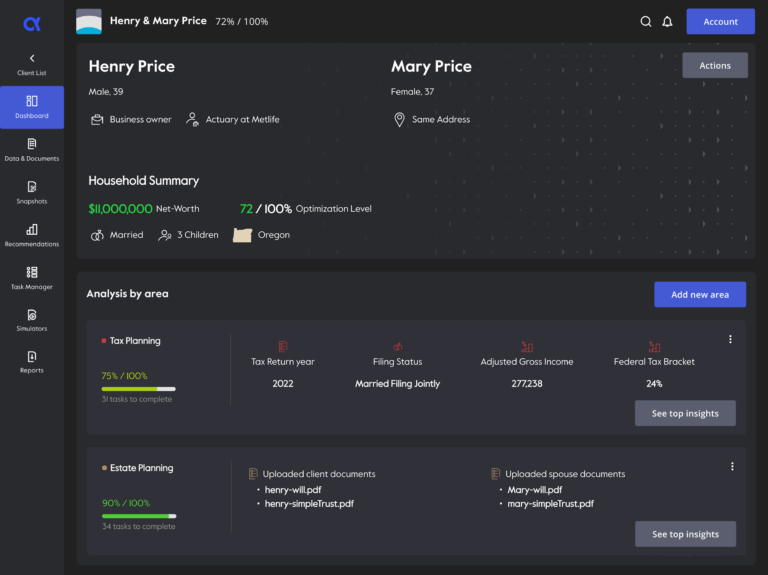
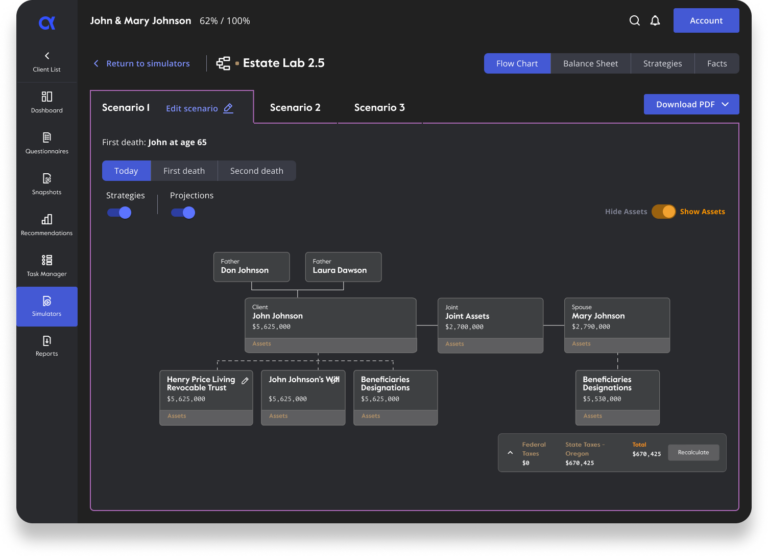
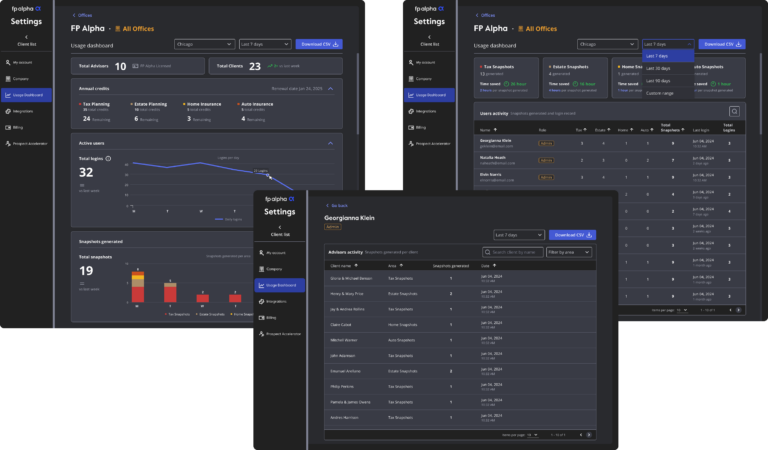
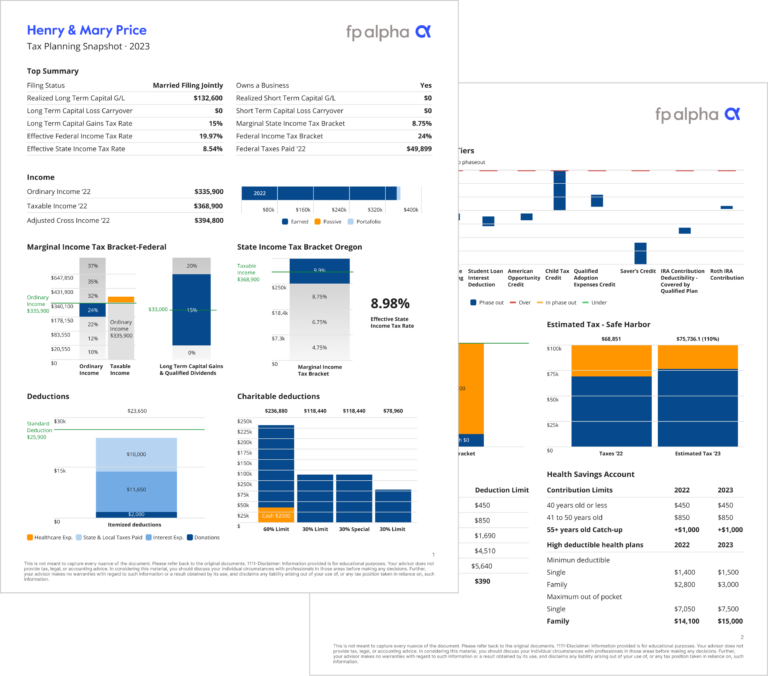
Architected the structural pivot from a B2C model to a robust B2B Enterprise platform. This strategic evolution involved re-engineering core state management and security layers to support complex corporate hierarchies, resulting in a product capable of serving massive financial institutions with thousands of internal users.
/ Project Milestones
The journey and phases to bring this project to life.
Lead Frontend Architect
FpAlpha Inc.
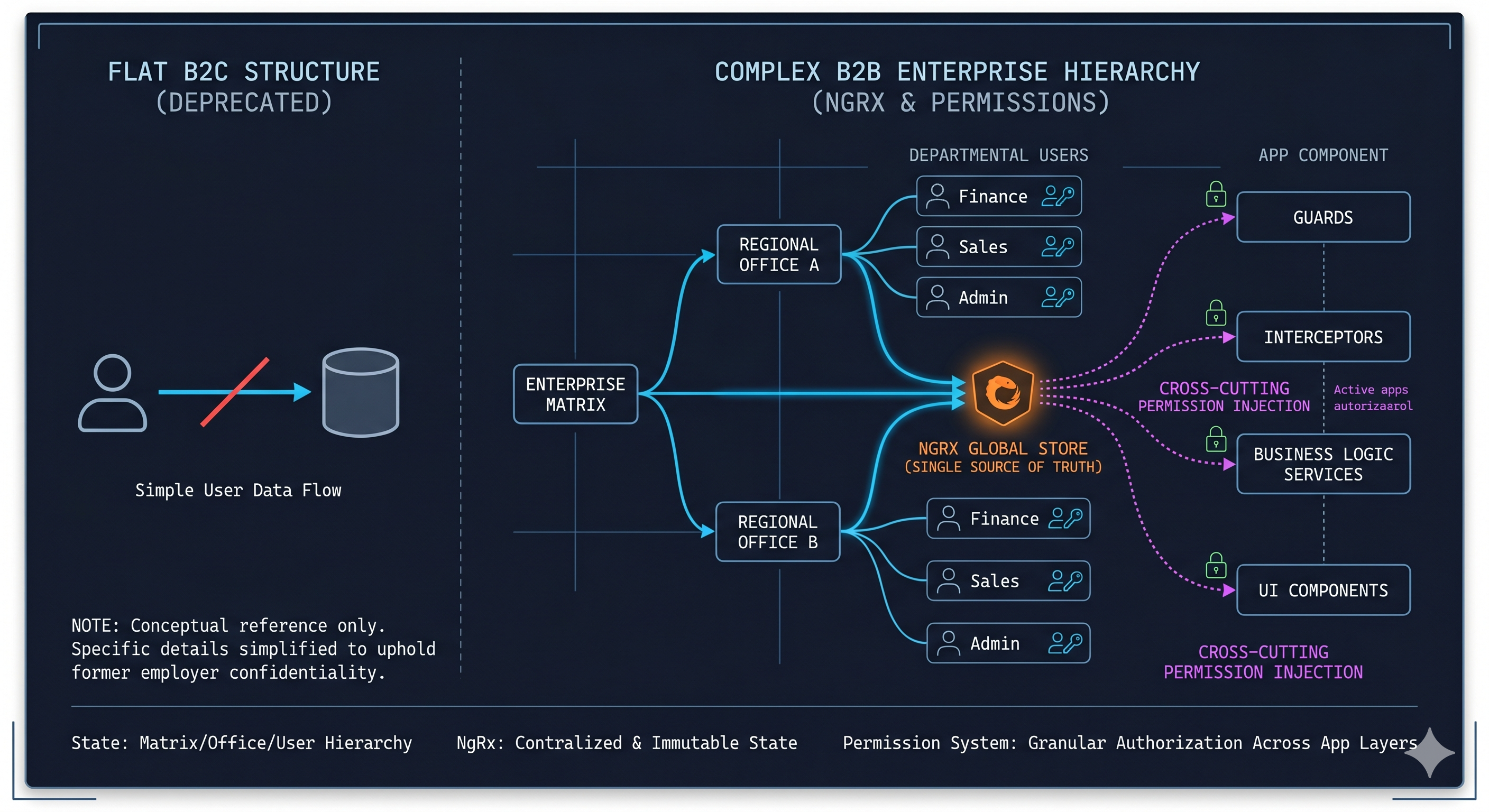
The primary challenge was transforming a single-user product into a multi-layered corporate engine. I made the strategic decision to implement a Redux-based architecture (NgRx) to manage the global state, ensuring a single source of truth for the complex 'Matrix/Office/User' hierarchy. This was crucial because B2B operations require absolute data consistency across various organizational nodes. I spearheaded the implementation of a cross-cutting permission system that was injected into every layer and feature of the application, ensuring that granular access control was enforced not just at the UI level, but within guards, interceptors, and business logic services.
Principal Engineer
FpAlpha Inc.
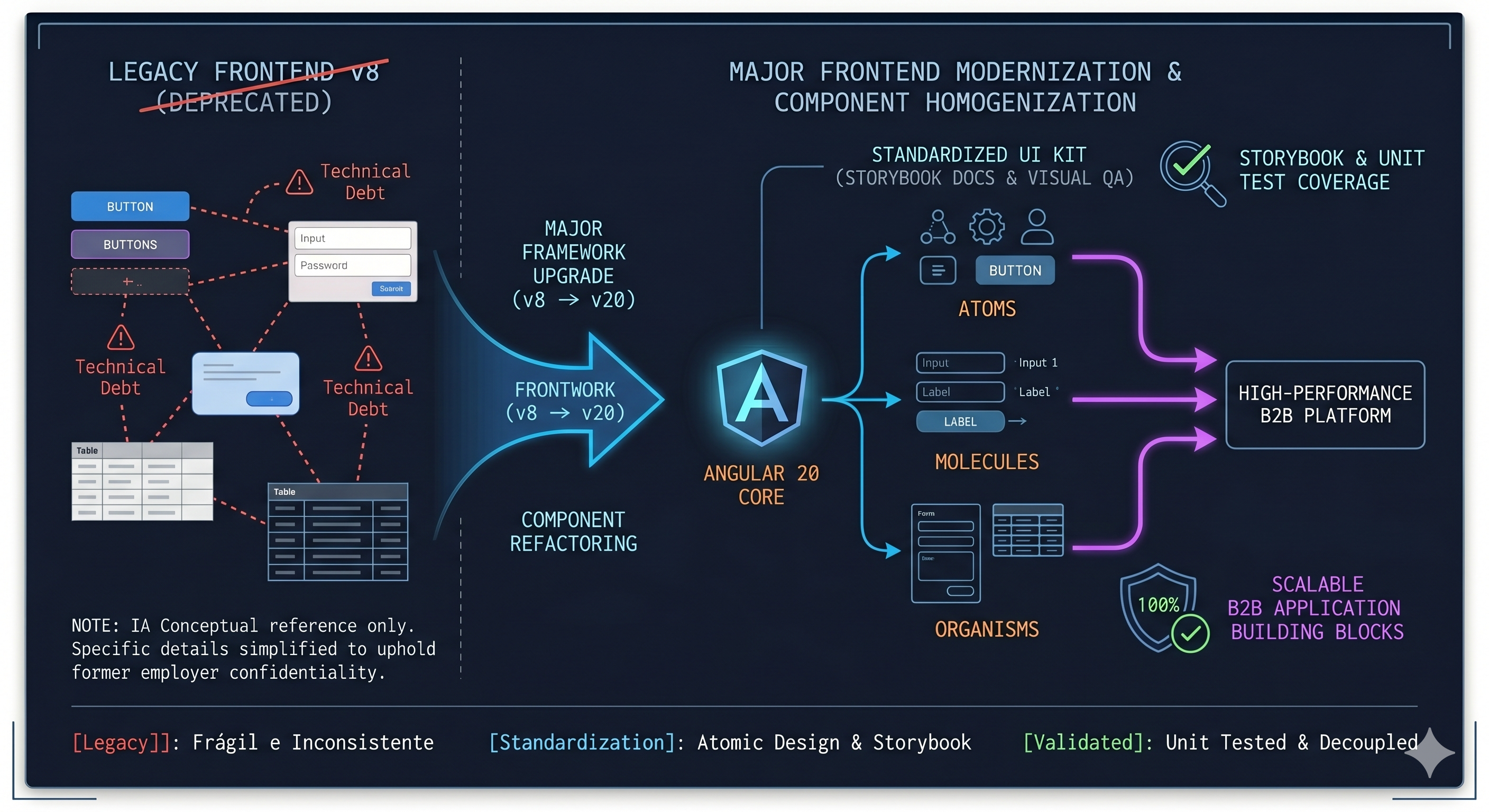
To scale development, I led a massive modernization effort, upgrading the core from Angular 8 to version 20 to leverage standalone components and improved performance. The centerpiece was the homogenization of the UI layer: we developed a proprietary UI-Kit, documenting every atom and molecule in Storybook to align engineering with design. I mandated strict unit testing for every UI-Kit component to ensure that the building blocks of our enterprise platform were indestructible. This decision was strategic: by decoupling UI from business logic and ensuring 100% test coverage in the kit, we eliminated visual regressions and allowed the team to build complex features using pre-validated, high-performance components.
Principal Engineer
FpAlpha Inc.
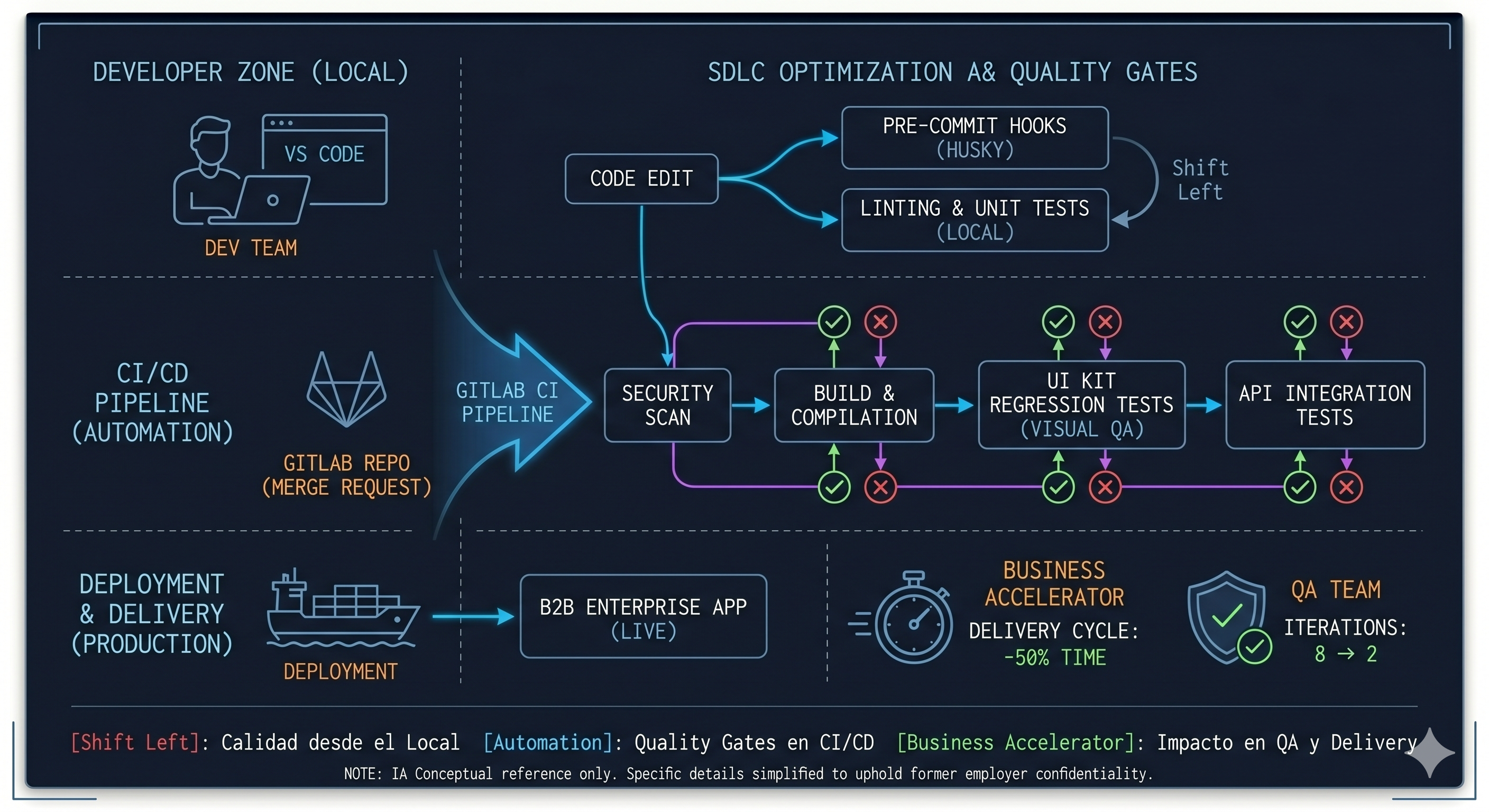
Recognizing that rapid B2B growth often leads to technical debt, I re-engineered our SDLC (Software Development Life Cycle). I implemented automated CI/CD pipelines with integrated quality gates, including Husky for pre-commit linting and automated test runs. This strategic focus on automation was designed to shift quality 'to the left', identifying issues before they reached QA. By enforcing these strict technical standards, we successfully reduced the delivery cycle by 50% and slashed QA iterations from 8 to just 2 per feature. This wasn't just a technical win; it was a business accelerator that allowed the product team to hit market windows with unprecedented precision and confidence.
Lead Frontend Architect
FpAlpha Inc.
The primary challenge was transforming a single-user product into a multi-layered corporate engine. I made the strategic decision to implement a Redux-based architecture (NgRx) to manage the global state, ensuring a single source of truth for the complex 'Matrix/Office/User' hierarchy. This was crucial because B2B operations require absolute data consistency across various organizational nodes. I spearheaded the implementation of a cross-cutting permission system that was injected into every layer and feature of the application, ensuring that granular access control was enforced not just at the UI level, but within guards, interceptors, and business logic services.
Principal Engineer
FpAlpha Inc.
To scale development, I led a massive modernization effort, upgrading the core from Angular 8 to version 20 to leverage standalone components and improved performance. The centerpiece was the homogenization of the UI layer: we developed a proprietary UI-Kit, documenting every atom and molecule in Storybook to align engineering with design. I mandated strict unit testing for every UI-Kit component to ensure that the building blocks of our enterprise platform were indestructible. This decision was strategic: by decoupling UI from business logic and ensuring 100% test coverage in the kit, we eliminated visual regressions and allowed the team to build complex features using pre-validated, high-performance components.
Principal Engineer
FpAlpha Inc.
Recognizing that rapid B2B growth often leads to technical debt, I re-engineered our SDLC (Software Development Life Cycle). I implemented automated CI/CD pipelines with integrated quality gates, including Husky for pre-commit linting and automated test runs. This strategic focus on automation was designed to shift quality 'to the left', identifying issues before they reached QA. By enforcing these strict technical standards, we successfully reduced the delivery cycle by 50% and slashed QA iterations from 8 to just 2 per feature. This wasn't just a technical win; it was a business accelerator that allowed the product team to hit market windows with unprecedented precision and confidence.